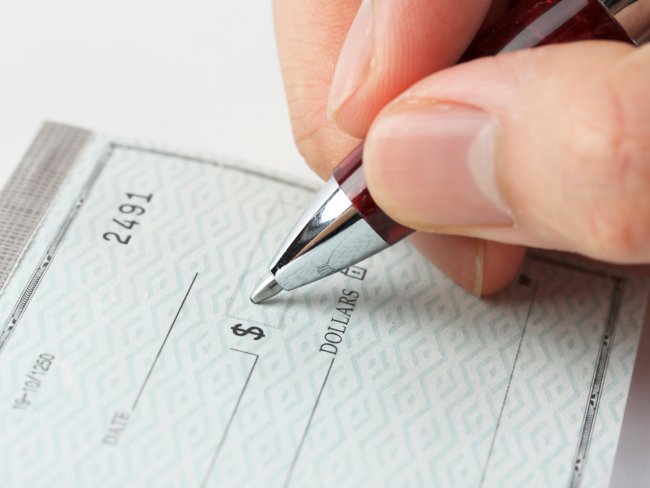
In today’s digital-first economy, museums—like many nonprofit and cultural institutions—are reevaluating traditional administrative processes to streamline operations. One key area undergoing change is payment disbursement. From donor refunds to artist honorariums, museums often rely on physical checks. Fortunately, the ability to mail a cheque online now offers museums a reliable, time-saving, and secure alternative.
This comprehensive guide explores how museums can use online cheque mailing services to enhance efficiency in donation management, vendor payments, and internal finance operations—while also maintaining the trust of stakeholders and ensuring compliance.
Why Museums Still Use Cheques
Despite the proliferation of digital payment systems, many museums still use cheques due to several unique organizational needs:
1. Institutional Tradition
Museums, especially those established decades ago, often maintain legacy systems where cheques are part of established procedures. Transitioning financial infrastructure takes time, especially when tied to grant compliance or regulatory oversight.
2. Vendor Preferences
Not all service providers and independent contractors accept digital payments. Many artists, restorers, or local businesses that work with museums prefer cheques for record-keeping or tax purposes.
3. Transparency and Tracking
Cheques provide tangible paper trails. For museums handling public funds, donations, and grants, cheque-based accounting supports transparency and audit-readiness.
The Modern Solution: Mail a Cheque Online
While museums still benefit from the formality of cheque-based transactions, they no longer need to manually print, sign, and post them. With online cheque mailing services, organizations can initiate cheque payments digitally while still delivering a physical cheque to recipients via mail.
What It Means to Mail a Cheque Online
To mail a cheque online, you use a digital service that prints and posts the cheque on your behalf. You provide the recipient’s details and payment amount via a secure online platform. The service then prints the cheque with your organization’s branding and mails it to the recipient. The entire process is handled remotely.
Benefits of Mailing Cheques Online for Museums
1. Time-Saving for Finance Teams
Managing physical cheques in-house takes time—writing, signing, stuffing envelopes, and mailing. By outsourcing cheque delivery to an online provider, finance teams can focus on higher-level tasks like budgeting, financial planning, and compliance.
2. Professional Presentation
Online cheque mailing platforms offer customization options. Museums can add logos, use branded envelopes, and include message slips. This reinforces brand consistency and adds professionalism to donor or partner communications.
3. Enhanced Security
Top-tier cheque mailing platforms use bank-level encryption and fraud protection protocols. They eliminate the risk of misplaced cheques or unauthorized access during manual handling. Since sensitive data is processed digitally, the room for human error is also minimized.
4. Accessibility for Remote Teams
Many museums operate with hybrid teams or outsource bookkeeping. Online cheque mailing allows authorized personnel to initiate and track payments from any location, reducing dependency on in-office printing and mailing.
5. Transparent Record-Keeping
Digital platforms store transaction histories, send payment confirmations, and provide delivery tracking. These features support financial transparency and simplify end-of-year audits or donor report generation.
Use Cases for Museums Mailing Cheques Online
Online cheque services benefit museums in several operational scenarios:
1. Donor Refunds
In rare cases where a donor requests a refund (due to overpayment, duplicate transaction, or fund misallocation), museums can promptly mail a cheque online. This quick response maintains donor goodwill and reflects institutional professionalism.
2. Artist Payments and Honorariums
Museums regularly collaborate with artists, curators, and lecturers who may prefer or require cheques for payment. Mailing a cheque online ensures timely honorariums, especially for remote participants or one-time collaborators.
3. Grant Disbursements
For museums administering outreach programs or community grants, online cheque mailing ensures fast, accurate disbursement. Each payment can be tracked and customized for the recipient.
4. Vendor Services
From exhibition construction to archival materials, many vendors still prefer cheque payments. Rather than delay operations due to physical cheque logistics, finance teams can process payments digitally.
5. Board Member Stipends
Some board members receive small stipends or travel reimbursements. Mailing cheques online makes this process easier to manage without relying on staff availability or in-person meetings.
Choosing the Right Platform to Mail a Cheque Online
When selecting a cheque mailing provider, museums should consider the following criteria:
1. Security and Compliance
Look for providers offering encryption, secure storage, and multi-factor authentication. Also, ensure the platform complies with financial standards such as SOC 2 or ISO certifications.
2. Custom Branding
Check whether the platform allows custom cheque templates, logos, and messaging inserts. Branded communication reflects well on your museum and builds credibility with recipients.
3. Integration with Accounting Systems
To reduce manual data entry, choose a platform that integrates with tools like QuickBooks, Xero, or your custom ledger systems. Integration reduces errors and saves time.
4. Delivery Tracking
Ensure the provider offers tracking details for mailed cheques. This gives both the museum and recipient peace of mind and reduces follow-up inquiries.
5. Cost Transparency
Understand the fee structure—does the provider charge per cheque, per user, or by subscription? Look for platforms with transparent pricing and no hidden charges.
Implementing Online Cheque Mailing in Your Museum
Transitioning to online cheque mailing requires planning and internal buy-in. Here’s a step-by-step approach:
Step 1: Audit Current Payment Processes
Document how cheque payments are currently handled:
- Who approves and signs them?
- How are they stored?
- What are the common delays or bottlenecks?
Understanding current pain points will help justify the change.
Step 2: Choose and Test a Provider
Select a platform based on the criteria discussed. Run a small pilot, such as paying a stipend or donor refund, and evaluate the user experience, delivery time, and recipient feedback.
Step 3: Train Staff
Host a brief training session for finance and admin teams. Cover how to:
- Set up users and permissions
- Upload cheque details
- Approve transactions
Step 4: Update Policies
Update your museum’s finance policies to reflect the use of online cheque mailing. This may include adding digital authorization workflows or audit protocols.
Step 5: Notify Recipients
Inform donors, vendors, or partners that you’re now using secure online cheque mailing. This proactive communication builds trust and avoids confusion.
Case Study: A Local Art Museum’s Digital Shift
The MidCity Art Museum, a regional institution known for its contemporary exhibits, faced delays in paying guest artists due to staff shortages and in-office dependencies. By switching to an online cheque mailing platform, they:
- Reduced payment turnaround from 10 days to 3
- Improved vendor satisfaction and response rates
- Saved $3,000 annually in postage and printing costs
- Enabled remote finance team members to process payments
This operational shift allowed the museum to focus more on programming and less on logistics.
Challenges to Anticipate
No transition is without its hurdles. Museums should be aware of these potential challenges:
1. Internal Resistance
Some long-standing staff members may be hesitant to adopt new systems. Emphasize benefits such as reduced workload and fewer manual errors.
2. Digital Authorization Requirements
Board members or directors who approve cheques may need to adapt to digital workflows. Ensure that the platform supports secure and easy authorization features.
3. Data Security Concerns
Reinforce that the platform meets financial data security standards. Choose providers with established reputations and clear privacy policies.
The Future of Cheque Payments in the Museum World
As museums continue modernizing administrative operations, tools that balance legacy expectations with digital convenience are essential. Mailing a cheque online fits this mold—it supports traditional payment preferences while leveraging the efficiency and security of modern platforms.
In the long term, museums that embrace digital transformation in their financial systems will operate more sustainably, respond more quickly to stakeholder needs, and maintain better control over resources.
Conclusion: Embrace the Digital Advantage
By learning how to mail a cheque online, museums can overcome many logistical, operational, and time-related challenges tied to traditional cheque handling. From honoring donor commitments to facilitating artist payments and vendor contracts, this digital tool ensures smooth financial operations and builds trust with every mailed cheque.
Whether you’re a major metropolitan museum or a small regional gallery, embracing online cheque mailing can be a vital step toward modernization and operational excellence.
Start your transition today. Choose a secure platform to mail a cheque online and begin optimizing your museum’s financial operations—one cheque at a time.