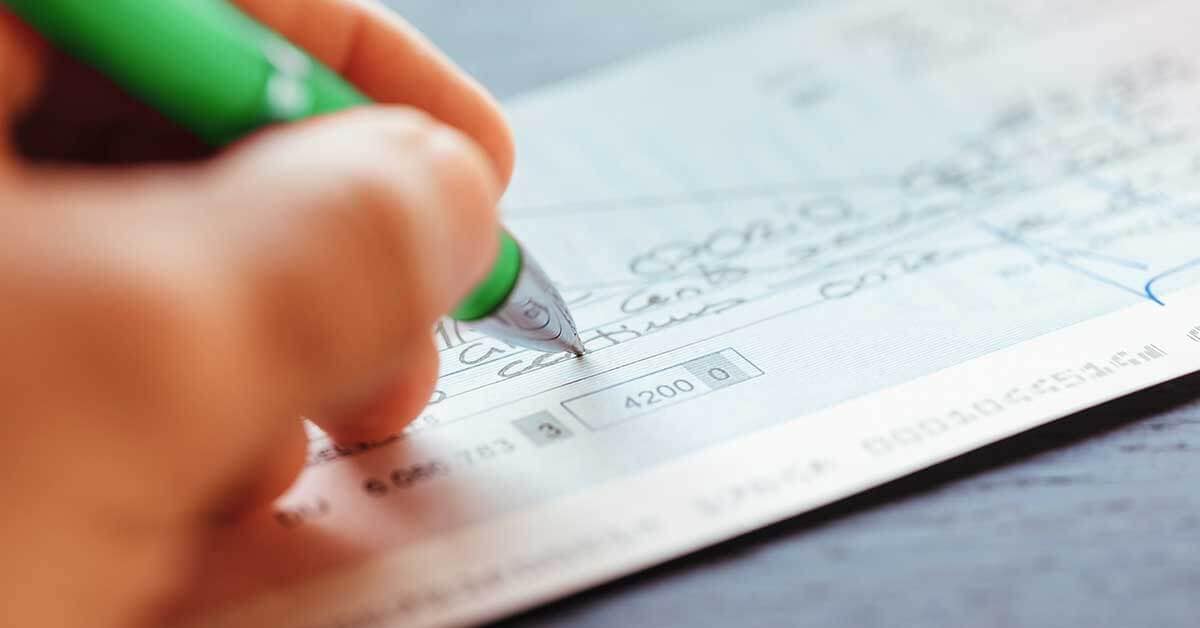
In the ever-evolving world of nonprofit financial management, museums often face the challenge of balancing operational tradition with technological innovation. From acquiring rare artifacts to organizing large-scale exhibits, vendor relationships are at the core of every museum’s daily functioning. But when it comes to disbursing payments, many institutions are still stuck in time-consuming, manual cheque processes.
Enter the modern solution: the ability to mail a cheque online. This practical approach merges the formality of physical cheque payments with the speed and convenience of digital processes. In this article, we’ll explore how mailing cheques online revolutionizes vendor payments for museums, the systems available, and how to implement them without disrupting your finance workflow.
Why Museums Rely Heavily on Vendors
Whether it’s hiring event staff, contracting conservators, or purchasing archival storage materials, museums are heavily dependent on a variety of vendors. These relationships are essential to maintaining exhibitions, visitor experience, and educational programs.
Key Vendor Categories in Museums
- Exhibition Service Providers – Curators, designers, and exhibit fabricators.
- Facility Maintenance Contractors – HVAC specialists, electricians, and security techs.
- Retail and Cafe Partners – Suppliers for gift shops and museum cafes.
- IT and Tech Vendors – POS systems, lighting systems, and AV installers.
- Educational Partners – Independent educators and program facilitators.
For these essential services, payments often come in the form of cheques—especially when dealing with independent or legacy vendors. But the traditional process is time-consuming and inefficient.
The Problems with Traditional Cheque Handling
Most museum finance teams still follow a multi-step manual cheque issuing process:
- Draft cheque via accounting software or handwritten
- Print on official cheque stock
- Obtain physical signature
- Prepare envelope and postage
- Mail through local postal services
While this approach is familiar, it creates several complications:
1. Delayed Vendor Payments
Physical cheque processing can take several days—or even weeks—leading to delayed vendor compensation. This affects vendor trust and future collaboration.
2. Staff Dependency
The process often requires in-office staff. During remote work periods or staff absences, cheques can pile up, causing operational slowdowns.
3. Cost Accumulation
Printing cheques, envelope stock, postage fees, and labor hours add up. For institutions working within tight budgets, this becomes a silent financial drain.
4. Human Error Risk
Manual cheque creation increases the chance of incorrect entries, signature mismatches, or misdirected mail.
5. Audit Complexity
Tracking down lost cheques or verifying mailing history becomes harder when records are scattered across spreadsheets, printers, and desks.
The Digital Shift: What Does It Mean to Mail a Cheque Online?
To mail a cheque online, you use a secure digital platform to initiate a payment that results in a physical cheque being printed and mailed by a third-party service. This means your museum can stay within traditional cheque protocols while saving time, money, and resources.
How the Process Works
- Log in to an online cheque mailing platform.
- Enter vendor information, payment details, and notes.
- Upload your signature or enable digital authorization.
- Submit the cheque for printing and mailing.
- The platform handles the printing, postage, and mailing.
Why It’s Ideal for Museums
Museums can keep the cheque format vendors expect while modernizing back-end processes. It also ensures consistency in payments, regardless of where your finance team is located.
Core Benefits of Mailing Cheques Online for Vendor Transactions
Let’s dive deeper into the primary advantages of using this digital solution specifically for museum vendor payments.
1. Immediate Payment Turnaround
Unlike batch processing or mailroom coordination, online cheque platforms allow instant issuance. Payments that used to take a week can now be initiated and mailed within 24 hours.
2. Remote Access & Control
Finance team members, directors, or board treasurers can authorize and issue payments from any location. This is especially useful for institutions with distributed teams or hybrid schedules.
3. Custom Cheque Branding
Many platforms let you include your museum’s logo, official letterhead, and custom message slips. This keeps your vendor communication polished and professional.
4. Compliance-Ready Recordkeeping
Online cheque systems offer detailed transaction logs, automated timestamps, and document export options. This makes it easier to prepare for audits, grant reports, and vendor disputes.
5. Reduced Payment Errors
Automation helps standardize entries and eliminate manual errors. Some platforms offer built-in address verification and duplicate payment checks.
6. Lower Long-Term Costs
Though there is a per-cheque or subscription cost involved, the savings on labor, materials, and delayed fees make this solution more economical over time.
Selecting the Right Online Cheque Mailing Platform
Museums should choose a solution that aligns with their specific financial operations and risk management standards.
Must-Have Features for Museums
- User Roles & Approvals: Set different levels of access for staff, directors, and accountants.
- Bank Integration: Connect with your existing bank accounts for direct fund transfers.
- Security Certifications: Look for SOC 2, PCI DSS, or ISO compliance.
- Mail Tracking: Get real-time updates on cheque delivery status.
- Multi-Vendor Support: Manage and batch payments to multiple vendors in a single session.
Top Considerations Before Committing
- Volume of Monthly Payments
- Types of Vendors (frequent vs. one-time)
- Your Museum’s Existing Financial Tools (ERP, CRM, QuickBooks)
- Data Privacy and Confidentiality Policies
How to Transition from Manual to Online Cheque Mailing
Adopting this payment innovation doesn’t require a full overhaul—just a structured shift. Here’s a simplified path:
Step 1: Identify Repetitive Payment Tasks
Review your past 3–6 months of vendor payments. How many were processed via cheque? What were the bottlenecks?
Step 2: Select Pilot Vendors
Choose 2–3 regular vendors who are comfortable receiving physical cheques. Use them to test your new online cheque mailing provider.
Step 3: Establish a Digital Payment Policy
Update your internal documentation to reflect new workflows. Define:
- Who can initiate payments
- Who reviews and approves
- What information must be stored
Step 4: Train Staff and Stakeholders
Host a training session and provide a checklist for using the platform. Emphasize security and user permissions.
Step 5: Gradually Expand Use
After a few successful trials, roll out the system to other vendor categories and document improvements in efficiency and communication.
Real-World Example: Streamlining Vendor Relations in a City Museum
The MetroCulture Museum, which hosts rotating international exhibitions, faced consistent issues with delayed vendor payments, especially during event setups. Vendors were paid up to two weeks late, causing tension and disruption.
After implementing an online cheque mailing system:
- Payment processing time dropped from 8 days to 48 hours.
- 92% of their frequent vendors received payments on or before expected dates.
- Finance staff reduced administrative hours by 40%.
- Communication with vendors improved, leading to smoother negotiations.
Considerations for Risk Management and Compliance
Address Verification Tools
Some platforms include automatic address validation and USPS tracking to prevent cheques from being lost or sent to outdated vendor addresses.
Internal Control Policies
To maintain accountability, ensure you:
- Use dual-approval workflows
- Limit who can authorize and submit cheques
- Regularly review platform access logs
Secure Data Handling
Ensure that your provider encrypts all sensitive information and uses secure servers with backup protocols.
Cost Analysis: Mailing Cheques Online vs. Traditional Methods
| Cost Item | Traditional | Online Mailing |
|---|---|---|
| Printing Supplies | $0.40–$0.80 | Included |
| Envelope & Postage | $0.55–$1.00 | Included |
| Staff Time (per cheque) | 10–20 minutes | < 2 minutes |
| Signature Management | Manual | Digital/Automated |
| Tracking & History Logging | Manual or none | Automated |
When extrapolated over 100+ monthly vendor payments, the savings become substantial—not just financially but operationally.
The Cultural Case: Supporting Artistic Integrity Through Timely Payments
Museums don’t just run like businesses; they also represent cultural, educational, and community values. Delayed or mishandled payments to artists, researchers, and small vendors can negatively impact reputation and trust.
By choosing to mail a cheque online, your museum sends a clear message:
- You respect the work of your partners.
- You value efficiency and innovation.
- You’re committed to evolving with the times while respecting tradition.
Final Thoughts: Transforming Vendor Relations with Digital Tools
Switching to online cheque mailing doesn’t eliminate the formality and familiarity of cheque payments—it simply modernizes the process to fit today’s expectations.
For museums juggling compliance, vendor diversity, and operational efficiency, learning how to mail a cheque online becomes a strategic upgrade. It’s about enabling your teams to do more with less, support your partners better, and allocate time where it matters most—preserving culture and inspiring communities.
Empower your finance department today. Choose a reliable platform to mail a cheque online and start improving vendor satisfaction with faster, safer, and smarter payments.